
Dynamic Ad Mutationes in fluunt Press - Princeps Pressura Electric Pumps machinantur ad tractandum variabilium fluxus requisita in applicationibus industrialibus, commercialibus, ac magnis postulationibus. Cum subitum incrementum postulatio fluxus incidit — sicut valvulae amni multiplices aperiunt, aspersores additos activum, vel machinationem excitant altam postulantes, sentinam aptam pressionis systematis servandi aptare debet. In soleatus instructi cum mobilitate variabili agitet (VSD) vel moderatoris electronici motoris, motor dynamice augere potest celeritatem gyrationis et torques ad aequare novam postulationem. Haec commensuratio prope momentanea est in systematis magni faciendis, ut processibus amni constanter fluant sine intermissione accipiant. Nam soleatus sine celeritatis electronic potestate, qualitates mechanicae sentinae, ut impulsor designatio, torques motoris curvae, ratio capitis curvae, determinant quam cito sentinam respondere possit. Dum hae soleatus experiuntur breves pressiones aut fluctuationes fluunt, bene designatus impulsor et volubilis geometriae guttas transeuntes obscurant et operationem stabilem sub variis oneris conditionibus obtinent.
Ad Celeri Backpressure Mutationes - Backpressure arises when the downstream system resists flow, whether from valve closure, system clogging, or sudden changes in operational demand. When backpressure rises abruptly, the pump experiences increased load on the motor and a corresponding decrease in flow rate. To prevent system damage and maintain operational integrity, High-Pressure Electric Pumps often include pressure relief valves, bypass lines, or safety regulators. These mechanisms safely redirect excess fluid or limit maximum pressure, preventing hydraulic shock, overpressure, and potential mechanical failure. In electronically controlled pumps, feedback systems detect the increased backpressure and automatically adjust motor speed or torque to stabilize system pressure. By combining mechanical design with intelligent controls, these pumps can accommodate sudden backpressure fluctuations while maintaining system safety and operational reliability.
Mechanical Design Considerations and Rotor Inertia - The pump’s mechanical characteristics, including the inertia of the rotor, impeller, and motor assembly, significantly influence how it responds to rapid system changes. Pumps with high rotational inertia resist sudden speed changes, providing a natural damping effect that mitigates pressure surges and stabilizes flow. However, excessive inertia can slow the system’s response to sudden increases in flow demand. Conversely, pumps with low-inertia components can accelerate quickly in response to demand spikes but may be more prone to transient pressure overshoot or pulsation if the control system is not precisely tuned. Engineers carefully balance these factors to optimize responsiveness, stability, and longevity under dynamic operational conditions.
Real-time Control Systems and Feedback Integration - Modern High-Pressure Electric Pumps are frequently equipped with sensors that continuously monitor system parameters, including flow rate, pressure, temperature, and motor load. These sensors provide real-time feedback to the motor controller, enabling dynamic adjustments to motor speed or torque in response to changing system conditions. For example, if a sudden increase in backpressure is detected, the controller can reduce motor speed, activate bypass systems, or trigger alarms to protect the pump. Conversely, if a surge in flow demand is detected, the controller increases motor output to maintain pressure consistency. This closed-loop control approach ensures precise, stable operation while minimizing stress on the pump and connected piping, extending service life and maintaining consistent performance.
Cavitation Mitigationis et Salutis Considerationes - Rapid changes in flow demand or backpressure can create low-pressure zones within the pump, increasing the risk of cavitation—a phenomenon where vapor bubbles form in the liquid and collapse violently, causing erosion and damage to impellers, seals, and casings. High-Pressure Electric Pumps mitigate cavitation risk through careful design of impeller geometry, volute configuration, and inlet conditions, along with monitoring of Net Positive Suction Head (NPSH). Many pumps also integrate real-time pressure sensors and control logic that detect conditions conducive to cavitation, enabling automatic motor speed adjustments or system shutdown to prevent damage. This combination of design and control ensures that pumps operate safely even under extreme transient conditions.
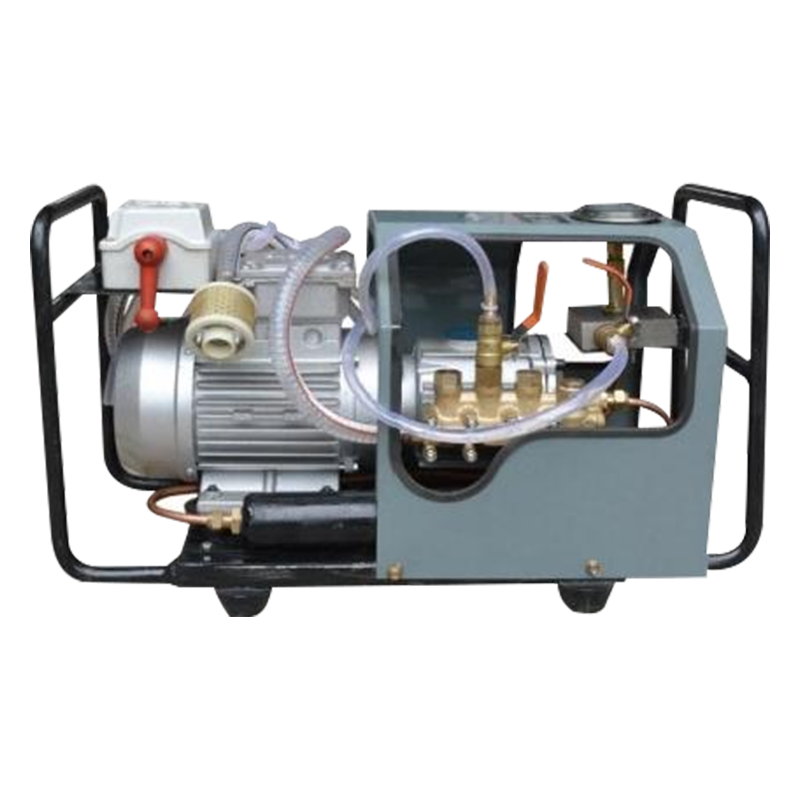
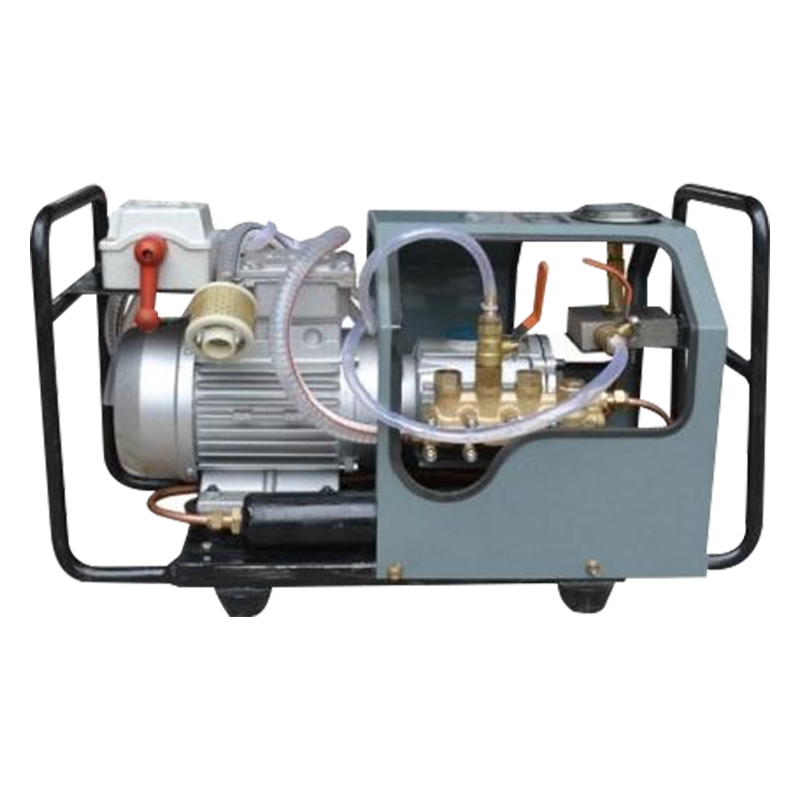 LB-7X10 Princeps Pressura Electric Pump
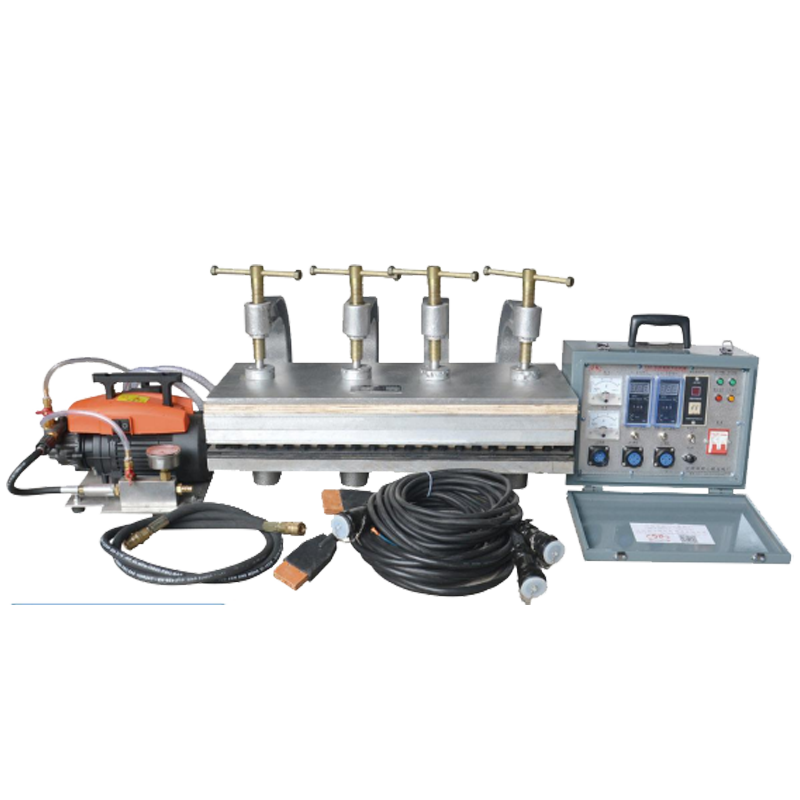
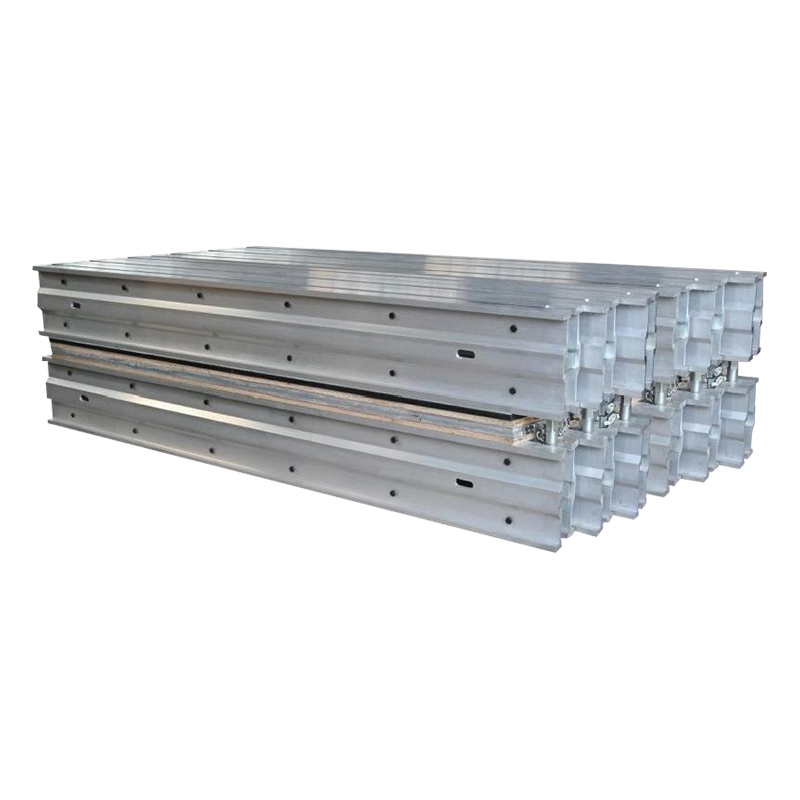 TXCK Electric Stragulum Type Water-Cooled Vulcanizing Machina
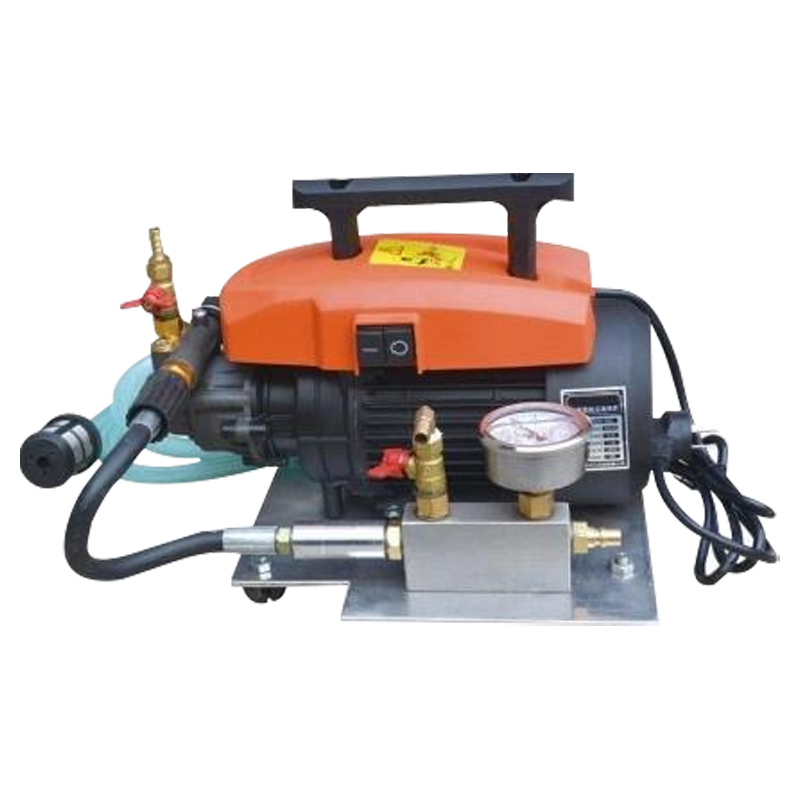
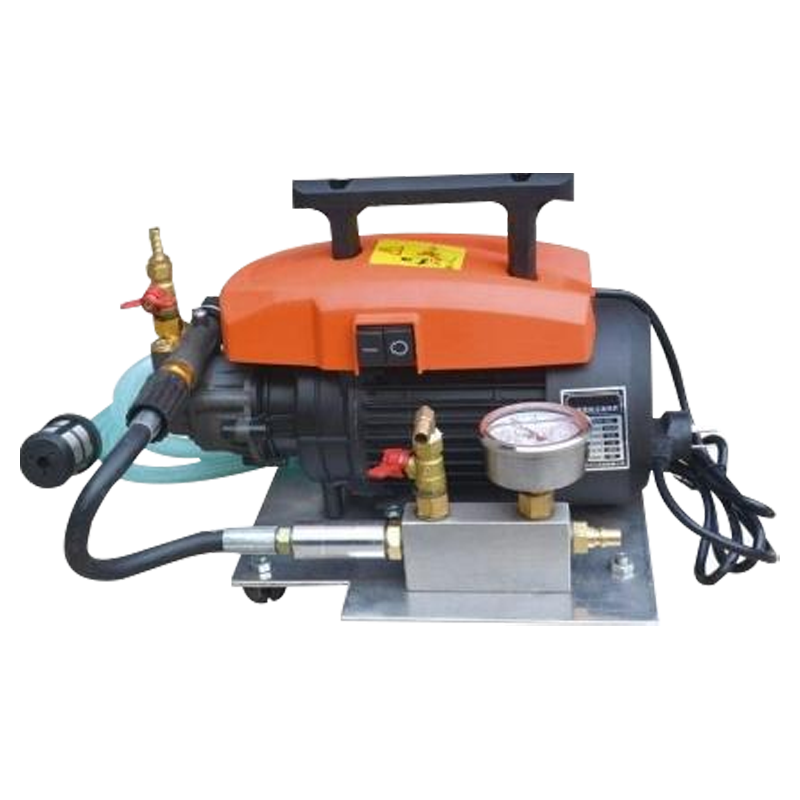 TX-K90 Portable Electric Pump
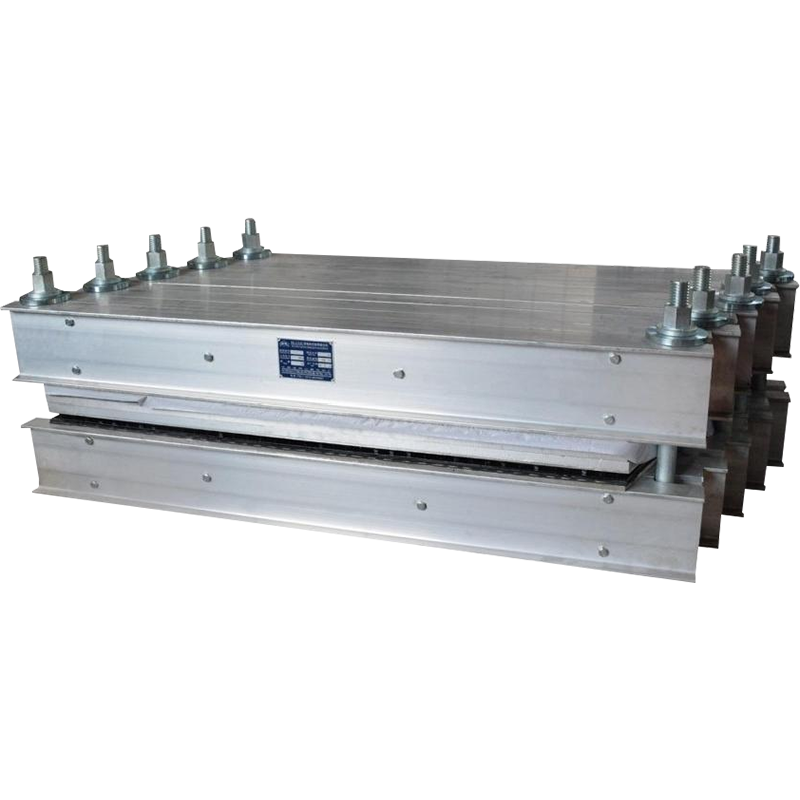 DJSL/DGLJL Aqua refrigerata lux Machina Vulcanizing
 TRADUCTOR Cingulum Repair: Prospiciendum Optimal euismod et Longit
 Quid est Conveyor Belt Vulcanizing Machines?
 Quid est Conveyor Belt Vulcanizing Machina et quomodo operatur?
 Conveyor Cingulum Repair Machinis: Elige, Tenere, et Prodesse illis
 +86-18915223007
  +86-0510-86336668
  [email protected]
  No.21, Hetang Central Street, Jiangyin urbem, Jiangsu provinciae
 Copyright © Jiangyin Tongxin Vulcanizing Machine Manufacturer Co., Ltd. All Rights Reserved.
Altera / ODM Belt Vulcanizer Accessories Manufacturer



 Eng
Eng  Home
Home